

Why an Electrician’s Tax Return Result Changes With PAYG, Deductions and Other Income
Published on November 4, 2026
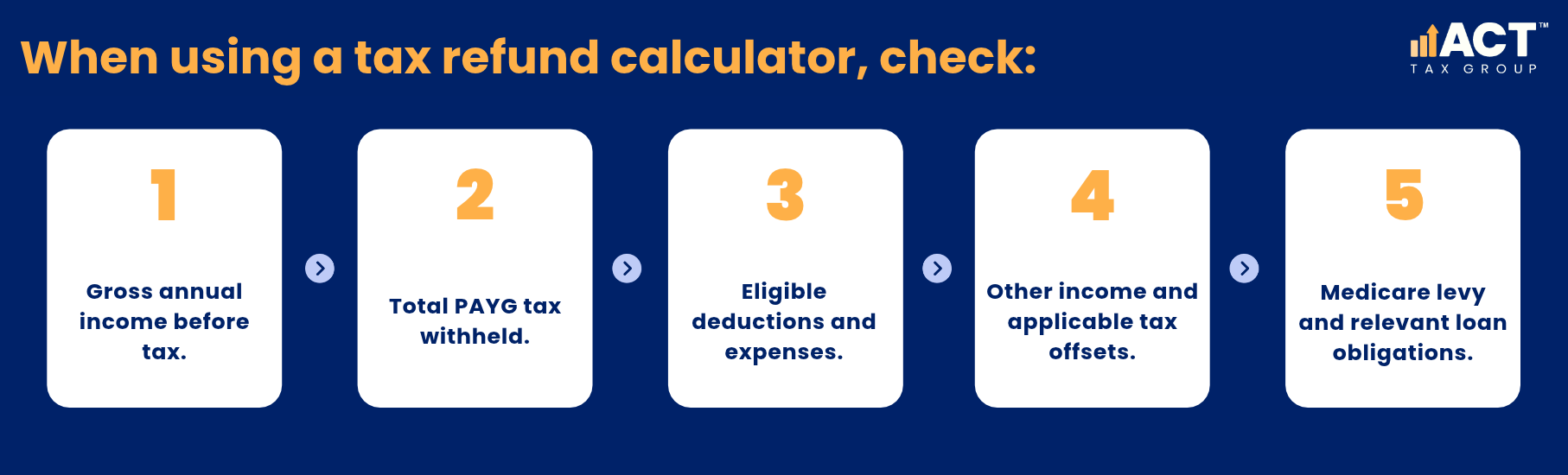
Why an Electrician’s Tax Return Result Changes With PAYG, Deductions and Other Income depends on your taxable income, tax withheld, eligible deductions, and additional earnings. Even with a steady salary, your tax refund or amount payable can change between financial years. If you have wondered, “How much tax return will I get?”, the answer depends on more than your wages. Understanding how Australian income tax works helps electricians estimate their tax position, avoid unexpected bills, and make informed financial decisions.
Factors That Change an Electrician’s Tax Return Result
Your tax return result changes because the Australian Taxation Office (ATO) calculates your total tax obligations using annual income, deductions, tax offsets, and payments already made. If your tax paid exceeds your final liability, you may receive a refund. However, overtime, bonuses, additional work, and changes in personal circumstances can increase tax payable. Your residency status and applicable tax rates also affect the final calculation.
Unsure why your electrician tax refund has changed?
Schedule a complimentary consultation with us today to review your income, deductions and tax withheld.
How PAYG Withholding Influences Your Tax Refund
Pay As You Go (PAYG) withholding is the income tax your employer deducts from wages throughout the financial year. The amount withheld depends on earnings and information provided to your employer, including your Tax File Number (TFN) declaration. For Australian residents, the marginal tax rate applying between $18,201 and $45,000 was 16% in 2025–26, decreasing to 15% in 2026–27. Your marginal tax rate applies to the relevant portion of taxable income, not your entire salary.
Example: An electrician earning substantial overtime may have additional tax withheld during busy periods. Their actual refund depends on total annual earnings and applicable deductions.
The Impact of Tax Deductions on an Electrician’s Tax Return
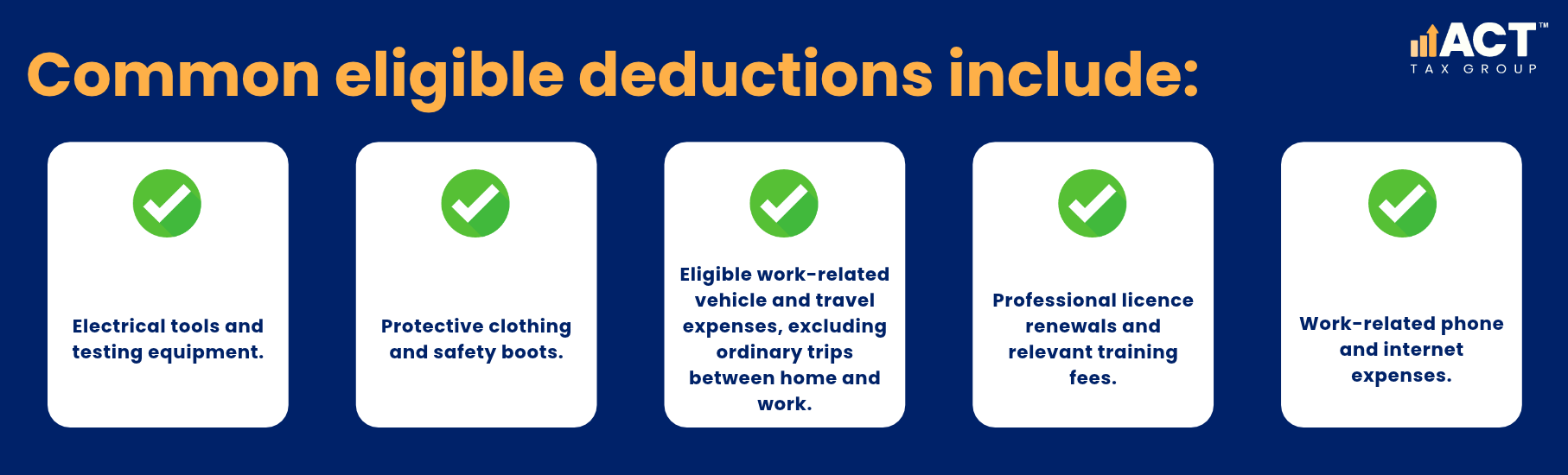
Tax deductions reduce taxable income, potentially lowering your income tax liability. However, claiming $300 in eligible deductions does not automatically provide a $300 refund. Electricians can claim eligible work expenses they paid themselves, were not reimbursed for, and have records to support. Only the work-related portion is deductible.
Example: An employed electrician purchases a $280 multimeter exclusively for work. If it meets the immediate deduction conditions, the full cost may be claimed for tax purposes.
How Other Income Increases Your Tax Payable
Other income can increase your total taxable income and potentially move part of your earnings into a higher tax bracket. Electricians undertaking additional contracting work must report assessable earnings, even when already receiving wages from an employer.
Additional income may include electrical contracting and weekend jobs, interest earned on savings accounts, rental property income, secondary employment wages, taxable allowances, and bonuses. For example, an electrician earning $85,000 in wages and another $12,000 from contracting must account for eligible business expenses and tax payments already made when calculating their final tax payable.

Medicare Levy and Other Factors Affecting Your Tax Refund
The Medicare levy generally adds 2% of taxable income for eligible taxpayers, although reductions or exemptions may apply. People above the relevant income threshold may pay the Medicare Levy Surcharge (MLS) if they or their dependants lack eligible private hospital cover.
Other factors affecting your tax refund include private health insurance, Higher Education Loan Program (HELP) repayments, Australian Apprenticeship Support Loan (AASL) repayments, formerly Trade Support Loan (TSL) repayments, eligible tax offsets, and reportable fringe benefits. Your income, dependent children, and personal circumstances may also affect the final calculation.
Using a Tax Return Calculator to Estimate Your Refund
A tax return calculator provides an estimated tax result using your income, deductions, and tax paid. However, calculator results may differ from your actual assessment when additional income, loan repayments, or other factors apply. A registered tax agent can help review your details before you lodge.
The Importance of Accurate Records for Electricians
Keeping accurate records helps electricians claim legitimate expenses and meet their tax obligations. Receipts, income statements, invoices, and payment details provide evidence when preparing a return. The ATO reported more than eight million people claimed work-related deductions in 2023, highlighting the importance of accurate records.
Power up your business with Accounting Built for Electricians
From start-up to expansion, our accounting team supports your tax, payroll, and cash flow at every stage of growth.
How ACT Tax Group Can Help with Electrician Tax Returns
At ACT Tax Group, we help Canberra electricians understand their income tax, PAYG withholding, eligible deductions, and estimated tax payable. Our friendly, IPA-certified team provides practical advice based on your employment, contracting income, and personal circumstances. Book a consultation with our team to review your tax position, organise your records, and prepare your return with confidence.

Understanding Your Electrician Tax Return Result
Your tax refund depends on the relationship between total income, eligible deductions, tax obligations, and payments already made. A larger refund is not always the best indicator of your financial position. Before tax time, review your earnings, check your expenses, and confirm additional income. Professional guidance can help you understand your result and plan for future tax payments.

Lukasz Klekowski
Principal of ACT Tax Group, specialising in tax compliance and financial strategy for Australian small businesses.

Disclaimer: All information provided in this publication is of a general nature only and is not personal financial or investment advice. It does not take into account your particular objectives and circumstances. No person should act on the basis of this information without first obtaining and following the advice of a suitably qualified professional. To the fullest extent permitted by law, no person involved in producing, distributing or providing the information in this publication (including ACT TAX GROUP PTY LTD, each of its directors, councilors, employees and contractors and the editors or authors of the information) will be liable in any way for any loss or damage suffered by any person through the use of or access to this information. The Copyright is owned exclusively by ACT TAX GROUP PTY LTD (ABN 31634338088)