


Electrician Side‑Hustles: Using the Minimum Tax Threshold to Decide When to Start Putting Money Aside
Published on May 26, 2026
Electrician Side-Hustles: Using the Minimum Tax Threshold to Decide When to Start Putting Money Aside starts with a simple idea: the tax-free threshold can help you understand when income tax may begin, but it should not be the only reason you start saving. If your electrical side-hustle earns regular income, your taxable income may rise even when the work feels small or occasional.
The Minimum Tax Threshold for Electrician Side-Hustles
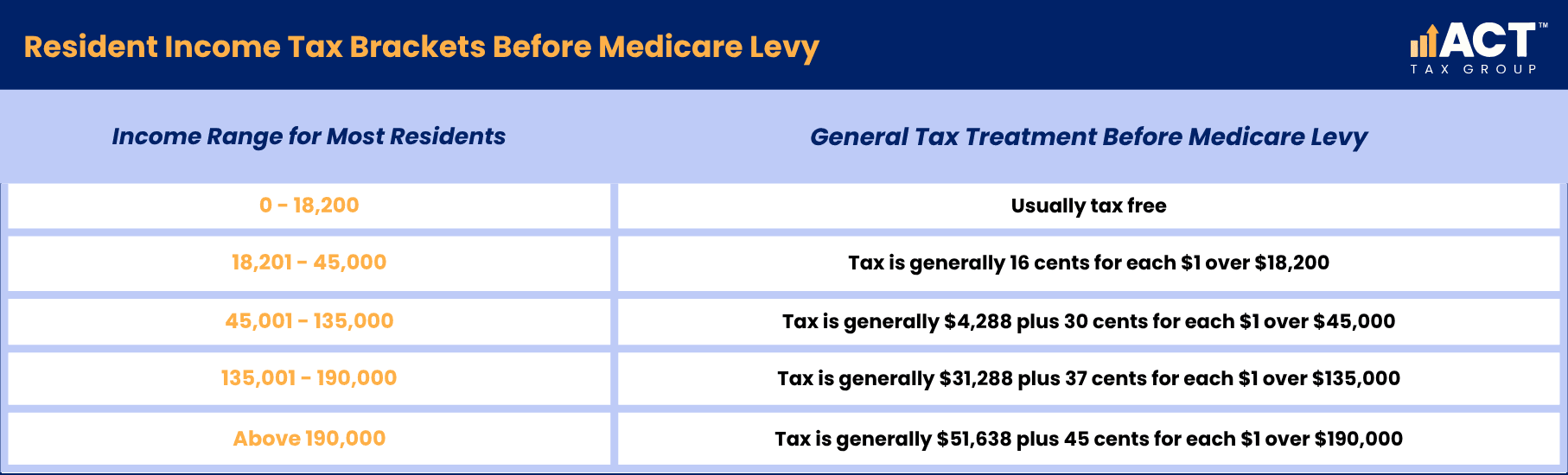
The minimum tax threshold usually refers to the Australian tax-free threshold, which is $18,200 for Australian residents for tax purposes who are entitled to the full tax-free threshold. In simple terms, the $0 to $18,200 tax bracket means eligible resident taxpayers generally do not pay income tax on the first $18,200 of taxable income.
The important detail is that your taxable income includes your salary, electrician side-hustle profit, interest, dividends, capital gains, royalties, and some other income where applicable. If you already have an employer and earn the same income each pay cycle, your side-hustle profit may sit on top of your salary rather than inside the tax-free amount.
Unsure when to start saving for side-hustle tax?
Schedule a complimentary consultation with us today to estimate your tax from day one.
The Tax-Free Threshold as a Starting Point, Not A Savings Plan
The tax-free threshold helps explain where Australian income tax starts, but it does not tell you when to start putting money aside. A better rule is to save from the first month your side-hustle becomes regular, profitable, and likely to continue. For many electricians, the main risk is not knowing the difference between income, taxable income, and take-home pay. You may receive money into your account, pay suppliers, buy material, and still have tax payable later because the Australian Taxation Office (ATO) looks at your taxable position for the financial year.
The Right Time for Electricians to Put Money Aside
Electricians should start putting money aside when the side-hustle earns a profit after direct costs. Waiting until the end of the financial year can reduce cash flow, especially when supplier accounts, vehicle costs, insurance, and tool replacement already need money.
A practical starting point is to set aside an estimated percentage of net profit into a separate account, then adjust that amount after receiving professional advice. This percentage is not an ATO rate, and your actual tax payable depends on your total taxable income, income tax rates, Medicare levy, Medicare levy surcharge, tax deductions, and whether any special rates apply.
The Effect of Wages on Taxable Income
Wages affect your side-hustle tax because your employer may already withhold income tax based on your tax-free threshold declaration. This means your electrical side income may not have tax withheld at the time you receive it, but it can still increase your tax payable when your tax return is prepared.
Australian residents for tax purposes are generally taxed on income from all sources, including Australian income and foreign income. Temporary residents and non-residents can be subject to different rules, so it is important not to copy another person’s tax plan just because they earned the same income from similar services.
Income Tax Rates and Tax Brackets in Practice
Income tax rates apply progressively, which means different parts of your taxable income can be taxed at different tax rates. The $18,201 to $45,000, $45,001 to $135,000, and $135,001 to $190,000 brackets help show how a side-hustle can push some income into a higher rate without changing the tax rate on every dollar.
The Medicare levy is generally separate from the above rates, and the Medicare levy surcharge may apply to some high-income resident taxpayers who do not have adequate private health insurance. These thresholds and rules can change, so electricians with growing side-hustle income should review their position before the financial year ends.

Assessable Income from Electrical Work
Assessable income can include cash jobs, bank transfers, subcontractor payments, platform payments, insurance repair payments, and barter arrangements where you receive benefits instead of money. If you provide electrical services and receive value in return, that amount may need to be included for tax purposes. This applies whether the customer pays into your personal account, business account, or by another method. It can also apply where you receive free materials, services, or other benefits instead of normal payment. Common assessable income sources include:
Weekend residential maintenance jobs
Switchboard upgrades
Commercial fit-out support
Subcontracting to builders or other trades
Insurance repair work
Emergency callouts
Data, lighting, and fault-finding work where licensed and permitted
Payments connected to your Australian Business Number (ABN)
Tax Deductions for Electricians
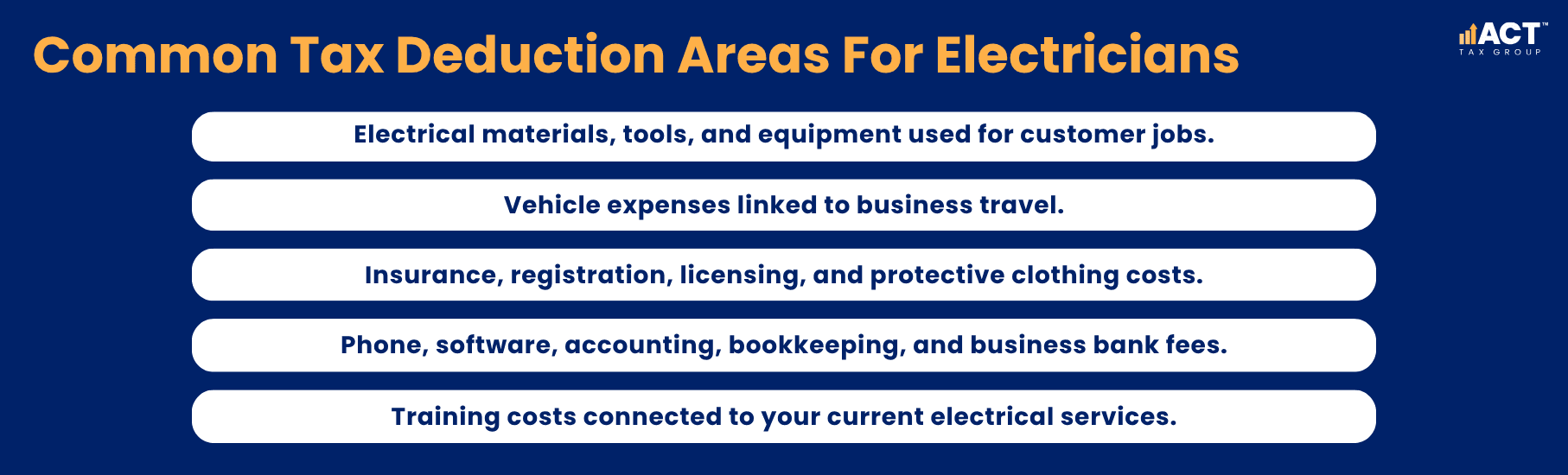
Tax deductions may reduce taxable income when the cost is directly connected to earning side-hustle income and is supported by records. The deduction must relate to the business or work activity, and if an expense is partly private, only the work-related portion should be claimed. Electricians often have useful deduction opportunities, but record keeping matters. A missing invoice, mixed personal account, or unclear claim can make a genuine cost harder to support.
The GST Impact on Side-Hustle Planning
Goods and Services Tax (GST) is separate from income tax, and you generally need to register if your current or projected GST turnover is $75,000 or more. Once registered, you generally need to charge GST on taxable sales, issue tax invoices where required, hold that money aside, and lodge a Business Activity Statement (BAS). This can affect quoting because GST turnover is generally based on business sales, not profit. An electrician can have high invoice income because materials are included, even when the final profit is much lower after costs.
Power up your business with Accounting Built for Electricians
From start-up to expansion, our accounting team supports your tax, payroll, and cash flow at every stage of growth.
Records Electricians Should Keep from Day One
Electricians should keep records showing what they earned, what they spent, and how each cost relates to their electrical services. This includes invoices, receipts, bank statements, vehicle records, supplier accounts, and notes explaining any mixed personal and business use. Strong records also help with quoting and cash flow. If you can see which jobs create excess cost, unpaid variations, or weak margins, you can adjust your pricing before the same problem repeats.
How ACT Tax Group Can Help with Electrician Side-Hustle Tax Planning
ACT Tax Group can help you understand when to start setting money aside, how to estimate tax payable, and which tax deductions may apply to your electrician side-hustle. We can review your salary, assessable income, account setup, GST position, tax return history, and record keeping so your plan is practical and easy to follow. Our ACT-based team provides friendly, professional, and approachable accounting support for electricians and other tradies. To get started, book a consultation with our team and we can help you set up a clear system for income tax, GST, deductions, and stress-free compliance.

Conclusion
The minimum tax threshold is useful, but it is not a complete tax plan. If your employer income already uses the tax-free threshold, your side-hustle profit may create tax payable from the beginning, even if the extra work feels small. Start with clean records, a separate bank account, and a simple habit of putting money aside from each profitable job. Then review your position before the end of the financial year so your extra electrical work supports your financial growth instead of creating a last-minute tax problem.

Lukasz Klekowski
Principal of ACT Tax Group, specialising in tax compliance and financial strategy for Australian small businesses.

Disclaimer: All information provided in this publication is of a general nature only and is not personal financial or investment advice. It does not take into account your particular objectives and circumstances. No person should act on the basis of this information without first obtaining and following the advice of a suitably qualified professional. To the fullest extent permitted by law, no person involved in producing, distributing or providing the information in this publication (including ACT TAX GROUP PTY LTD, each of its directors, councilors, employees and contractors and the editors or authors of the information) will be liable in any way for any loss or damage suffered by any person through the use of or access to this information. The Copyright is owned exclusively by ACT TAX GROUP PTY LTD (ABN 31634338088)