

How Self Managed Super Funds Differ From Industry and Retail Super Funds
Published on November 12, 2026
How Self-Managed Super Funds Differ from Industry and Retail Super Funds comes down to investment control, costs, responsibilities and retirement goals. A Self-Managed Superannuation Fund (SMSF) gives members greater control over their retirement savings, while industry and retail super funds provide professional management. Choosing between Self-Managed Superannuation Funds and traditional super funds requires careful consideration. According to the Australian Prudential Regulation Authority’s (APRA) June 2026 statistics, Australian superannuation assets reached $4.77 trillion, including approximately $1.11 trillion in SMSFs. Your decision affects how you invest, manage expenses and meet superannuation laws.
Key Characteristics of Self-Managed Super Funds
Self-Managed Super Funds allow up to six members to manage their own super fund and make investment decisions. SMSF members generally act as trustees or directors of a corporate trustee, accepting responsibility for their fund’s investment strategy, administration and compliance with Australian Taxation Office (ATO) requirements. Unlike managed super funds, SMSFs provide greater investment choice but require a good understanding of tax laws and trustee obligations. Members must manage fund assets solely to provide retirement or eligible death benefits, without improper personal benefits.
Unsure what managing your own super involves?
Schedule a complimentary consultation with us today to understand SMSF tax and reporting responsibilities.
Key Differences Between SMSFs, Industry and Retail Super Funds
Each super fund structure offers different benefits, investment options and responsibilities. Industry super funds and retail super funds generally have professional trustees managing investments and administration, while SMSF trustees oversee their own fund.
Feature | SMSF | Industry Super Fund | Retail Super Fund |
|---|---|---|---|
Investment control | Trustee-directed | Fund-managed | Fund-managed |
Investment options | Broad, legally restricted | Selected options | Selected options |
Administration | Trustee responsibility | Professionally managed | Professionally managed |
Fees | Setup and ongoing costs | Fund fees | Fund fees |
Insurance | Arranged separately | Often available | Often available |
Regulation | ATO | APRA | APRA |
Although an SMSF offers more control, this does not guarantee better investment returns. Your starting balance, investment knowledge and ability to manage responsibilities should influence your decision.
Investment Control and Flexibility for SMSF Trustees
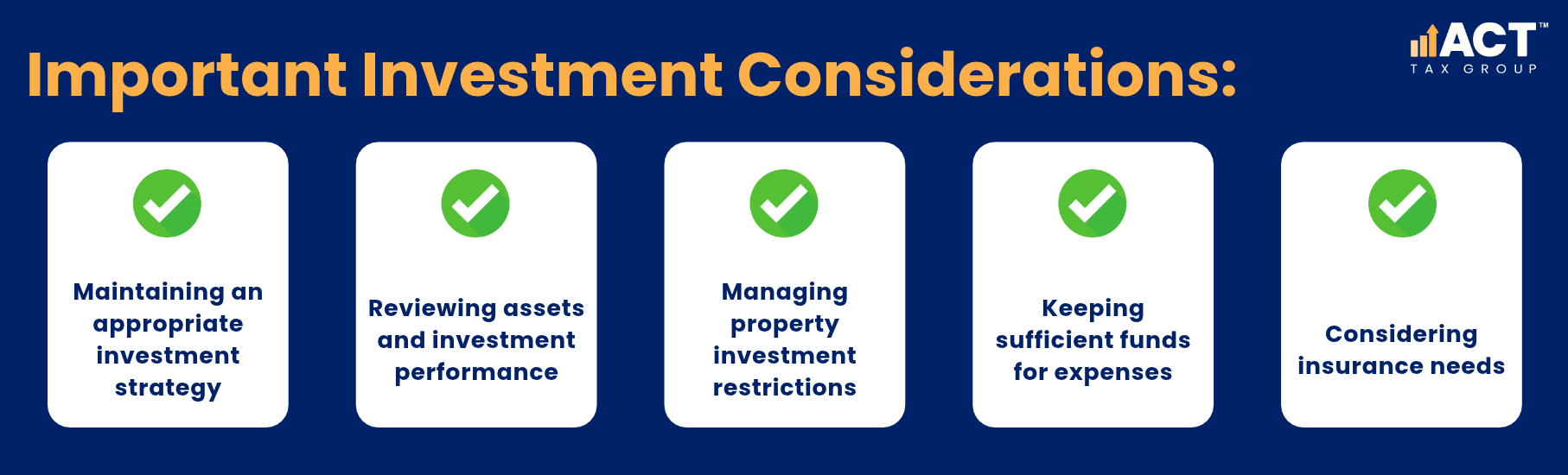
SMSF trustees can choose investments that support their investment strategy and comply with superannuation laws. Potential investments include shares, cash, managed investments and eligible property, provided they meet legal requirements. However, greater control does not mean complete control without restrictions. Trustees must consider investment risks, diversification, access to money and future retirement needs.
SMSF Costs and Trustee Obligations
Running an SMSF involves establishment fees, accounting services, independent audits and ongoing administration costs. Whether an SMSF is cost effective depends on the fund’s starting balance, investments and individual circumstances. SMSF trustees remain responsible for meeting reporting requirements even when professionals provide support. Proper record keeping, a separate fund bank account and accurate super contributions records are essential.
Core Trustee Responsibilities:
Prepare and review the investment strategy.
Maintain financial and investment records.
Appoint an ASIC-registered independent SMSF auditor at least 45 days before the annual return is due and complete the audit before lodgement.
Lodge the SMSF annual return.
Follow applicable tax and superannuation rules.
How Industry and Retail Super Funds Simplify Management
Industry and retail super funds generally require less personal administration because professional trustees manage reporting, investments and compliance. This may suit individuals who prefer managed super arrangements without extensive trustee responsibilities. An APRA-regulated fund can also provide investment options, insurance and services that support changing retirement needs. However, fees, performance and available benefits vary between funds.
Real Examples Highlighting SMSF Risks
The Australian Securities and Investments Commission (ASIC) reviewed 100 SMSF establishment advice files in 2025 and found 62 files failed to demonstrate compliance with advisers’ best-interests obligations. Of these, 27 files raised significant concerns about potential client detriment. These findings highlight why professional advice and careful research matter when deciding whether to establish a Self-Managed Super Fund.
Real Example 1: Unsuitable SMSF Recommendations
ASIC identified cases where advisers inadequately assessed whether SMSFs suited clients’ financial circumstances. Some recommendations failed to consider costs, risks or existing superannuation benefits.
Real Example 2: Equiti Financial Services
In 2025, the Federal Court imposed an $11 million penalty on Equiti Financial Services concerning inappropriate SMSF property investment advice. The case demonstrated the risks of unsuitable recommendations.

Choosing the Right Super Fund for Your Retirement Goals
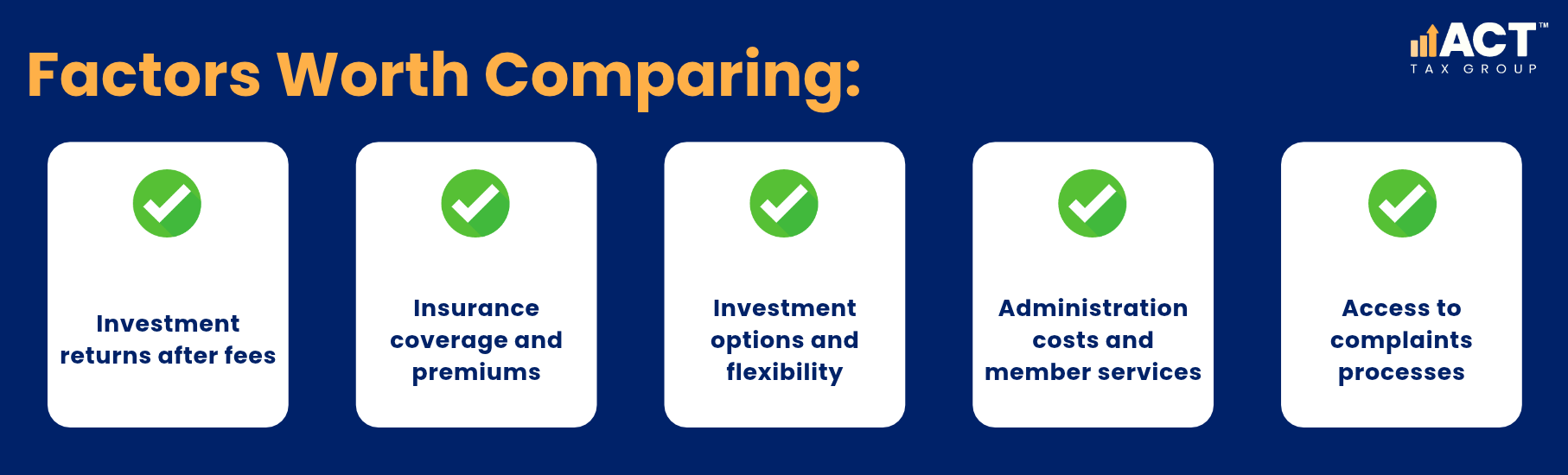
An SMSF may suit individuals seeking direct investment control who have sufficient savings, time and knowledge to manage trustee responsibilities. Industry or retail super funds may better suit people wanting simpler administration and professional investment management. Before changing funds, consider costs, investment risks, insurance and whether you could lose certain protections. SMSF members cannot access government compensation for fund losses from fraud or theft. The Australian Financial Complaints Authority may consider eligible complaints about external financial advice or services, but not internal trustee disputes.
How ACT Tax Group Can Help with SMSF Accounting and Compliance
At ACT Tax Group, our approachable, IPA-certified accounting team helps Australians manage SMSF accounting, tax reporting and compliance responsibilities. We support accurate record keeping, financial reporting and practical understanding of ongoing trustee obligations. Book a consultation with our Australian Capital Territory-based team to discuss your SMSF accounting needs. We can also work alongside appropriately licensed financial advisers when personal investment advice is required.

Conclusion
Self-Managed Super Funds offer investment flexibility but involve ongoing costs, compliance requirements and personal accountability. Industry and retail super funds provide professional administration that may better suit individuals seeking simpler retirement savings management. Compare your existing fund’s costs, investment options and insurance before making changes. Seek suitable professional advice to determine which superannuation structure aligns with your financial circumstances and long-term retirement objectives.

Lukasz Klekowski
Principal of ACT Tax Group, specialising in tax compliance and financial strategy for Australian small businesses.

Disclaimer: All information provided in this publication is of a general nature only and is not personal financial or investment advice. It does not take into account your particular objectives and circumstances. No person should act on the basis of this information without first obtaining and following the advice of a suitably qualified professional. To the fullest extent permitted by law, no person involved in producing, distributing or providing the information in this publication (including ACT TAX GROUP PTY LTD, each of its directors, councilors, employees and contractors and the editors or authors of the information) will be liable in any way for any loss or damage suffered by any person through the use of or access to this information. The Copyright is owned exclusively by ACT TAX GROUP PTY LTD (ABN 31634338088)