

How Arborists Can Plan PAYG Withholding When They Have a Study Loan
Published on September 22, 2026
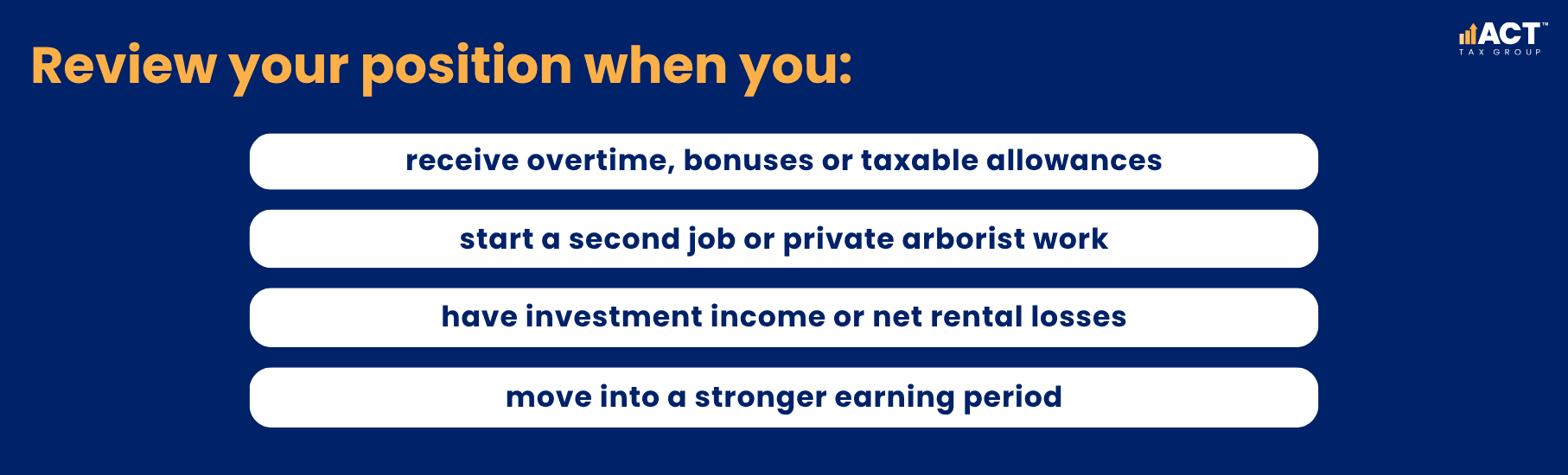
For arborists, understanding Pay as You Go (PAYG) makes PAYG withholding when they have a study loan easier to plan when annual income, seasonal work and other earnings are reviewed together. If you have a Higher Education Loan Program (HELP) debt or another study loan, more may be withheld from your pay once your income reaches the repayment threshold. The Australian Taxation Office (ATO) works out your final compulsory repayment when you lodge your tax return.
HECS-HELP Repayments Depend on Your Repayment Income
Your HECS-HELP repayment depends on repayment income, not simply one payslip. For the 2026–27 financial year, the minimum repayment threshold is $69,528, and compulsory repayments use marginal repayment thresholds and rates rather than one flat percentage across your whole income.
Repayment income can be higher than taxable income because it may include total net investment loss, which includes net rental losses, total reportable fringe benefits, reportable super contributions and exempt foreign employment income. Total repayment income is the key figure used to calculate your compulsory repayment amount.
Seasonal income affecting your study loan?
Schedule a complimentary consultation with us today to plan for overtime, storm work and extra jobs.
Seasonal Arborist Income Can Change Your Repayment Position
A quiet period can be followed by storm work, overtime or extra jobs, so withholding earlier in the year may not fully reflect your eventual compulsory repayment. This is why annual income matters more than any single pay period. For 2026–27, the ATO study-loan withholding calculation applies from weekly earnings of $1,337 where the tax-free threshold is claimed, unless an applicable Medicare levy variation changes the calculation.
Employed Arborists Can Plan HELP Repayments Through PAYG Withholding
If you are an employee, tell your employer if you have a HELP debt, VET Student Loan (VSL), Financial Supplement (FS) debt under the Student Financial Supplement Scheme (SFSS), Student Start-up Loan (SSL), including ABSTUDY SSL, or Australian Apprenticeship Support Loan (AASL), formerly Trade Support Loan. Your Tax File Number (TFN) declaration or withholding declaration helps payroll use the correct settings. Your employer only sees the income they pay you, so other income can change your final repayment. If total repayment income is likely to be higher, you can ask for extra tax to be withheld.
Estimate total income for the financial year.
Add other amounts included in repayment income.
Compare year-to-date withholding with your likely compulsory repayment.
Arrange extra withholding if there appears to be a gap.
ATO Example: Under the 2026 withholding schedule, weekly earnings of $2,608.36 can produce a $193 weekly study-loan withholding component.

Sole-Trader Arborists Need a Different Plan
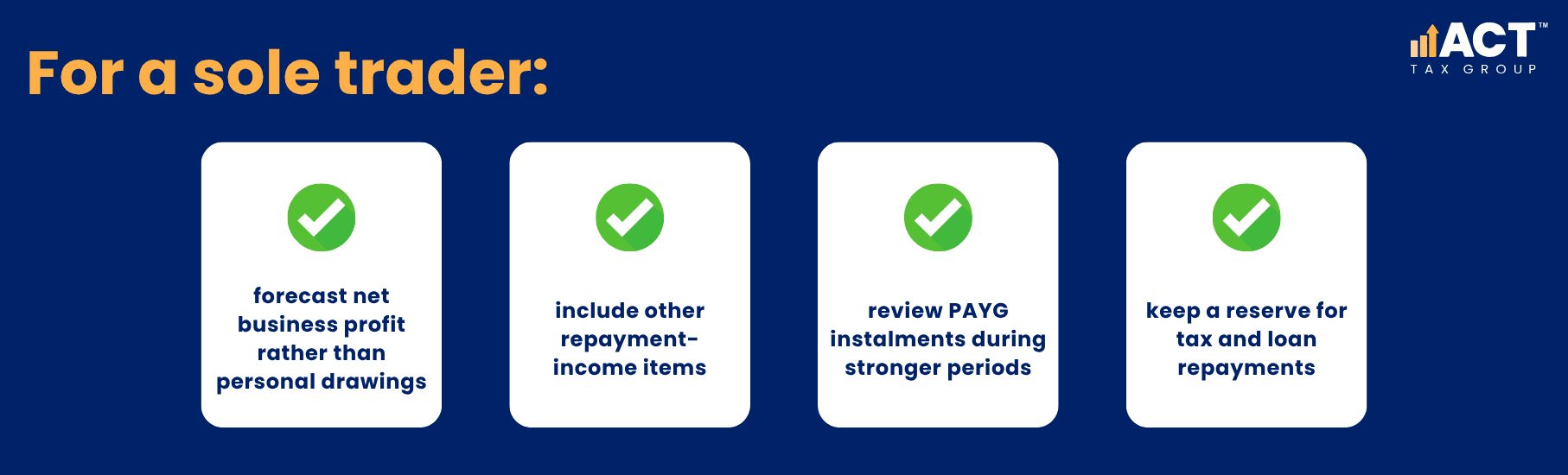
If you operate as a sole trader, money taken from the business for personal use is generally a drawing rather than a wage. You do not normally apply PAYG withholding to your own drawings, but business profit can still contribute to taxable income and repayment income. PAYG instalments can help cover expected tax during the year and should be reviewed against your likely study-loan obligation. If you operate through a company and receive salary or director payments, the withholding position can differ.
Example: A sole-trader arborist may draw $2,000 a week for household costs, but those drawings do not set the compulsory repayment. The final amount depends on repayment income for the year.
Voluntary Repayments and Your HELP Debt Balance
Voluntary repayments can reduce your HELP debt balance faster, but they are separate from the compulsory repayment calculated through the tax system. They do not generally replace a compulsory repayment or overseas levy based on repayment income. You can check your student loan balance through ATO online services linked to the myGov website and use a repayment calculator as a planning guide.
Grow your tree care business with Accounting Built for Arborists
From start-up to expansion, our accounting team supports your tax, payroll, and cash flow — so you can focus on running your business safely and profitably.
How ACT Tax Group Can Help with Arborist Study Loan PAYG Planning
We can review wages, business income, taxable income, repayment income, PAYG withholding and PAYG instalments so you understand how much may need to be set aside. Our friendly, Institute of Public Accountants (IPA)-certified team explains HELP repayments and repayment thresholds in straightforward terms. Book a meeting with ACT Tax Group to arrange a practical review before your next busy period or tax return.

Frequently Asked Questions
When Do I Start Repaying My HECS Debt?
You generally start repaying your HECS debt through the Australian taxation system when your repayment income exceeds the minimum threshold for the financial year. For 2026–27, the minimum repayment threshold is $69,528, and the compulsory debt repayment is calculated using a marginal rate rather than one flat repayment rate across your entire income, so checking the current income thresholds can help you estimate when you may start repaying.
Can Tax Deductions Reduce My HELP Repayment?
An allowable tax deduction can reduce taxable income, but HELP repayments themselves are not tax deductible. Repayment income can also include total net investment loss, including net rental losses, so a tax deduction may not reduce your compulsory HECS-HELP debt repayment by the same amount.
Do Fringe Benefits and Investment Losses Affect Repayment Income?
Yes, total reportable fringe benefits and total net investment loss can form part of your repayment income and may affect your compulsory repayment even when they are treated differently for taxable income purposes. For an arborist, these amounts can push repayment income across relevant income thresholds, so reviewing them during the financial year can provide a clearer picture of your likely HECS-HELP repayment.
What If I Have an Older Study or Training Loan?
Some people may still have debts from previous years, including a Student Financial Supplement Scheme (SFSS) debt, Student Start-up Loan (SSL), ABSTUDY Student Start-up Loan (ABSTUDY SSL), or Australian Apprenticeship Support Loan (AASL), formerly known as a Trade Support Loan. If you have a start-up loan, ABSTUDY SSL or another older loan balance, it can still affect how the Australian Taxation Office works out repayments, so checking your current loan balance is important before making repayments.

Lukasz Klekowski
Principal of ACT Tax Group, specialising in tax compliance and financial strategy for Australian small businesses.

Disclaimer: All information provided in this publication is of a general nature only and is not personal financial or investment advice. It does not take into account your particular objectives and circumstances. No person should act on the basis of this information without first obtaining and following the advice of a suitably qualified professional. To the fullest extent permitted by law, no person involved in producing, distributing or providing the information in this publication (including ACT TAX GROUP PTY LTD, each of its directors, councilors, employees and contractors and the editors or authors of the information) will be liable in any way for any loss or damage suffered by any person through the use of or access to this information. The Copyright is owned exclusively by ACT TAX GROUP PTY LTD (ABN 31634338088)